Vegetable Puree Processing Enzyme for Carrot, Pumpkin, Pea, and Root Blends
Vegetable puree behaves differently from fruit puree. Carrot fiber, pumpkin cell walls, pea starch, and root vegetable solids can all raise viscosity, slow screening, load pumps, and create batch-to-batch texture drift. VelvetYield is an enzyme supplier for fruit puree processing with focused support for adjacent vegetable puree lines where clean flow, gentle texture control, and reliable filling matter.
Our vegetable puree processing enzyme approach helps process managers tune the structure of each matrix without over-thinning, harsh handling, or unnecessary rework.
Built for Vegetable Matrices That Resist Flow
Vegetable purees often contain a mixed network of cellulose, hemicellulose, pectin-like materials, starch, and insoluble fiber. During milling and thermal processing, these components can swell, bind water, and form a thick, uneven puree that is difficult to move consistently.
VelvetYield helps plants select enzyme systems for:
- Carrot puree and carrot-based baby food blends
- Pumpkin, squash, and gourd purees
- Pea puree and vegetable protein-rich blends
- Sweet potato, beet, parsnip, and root vegetable bases
- Mixed fruit-vegetable puree formats
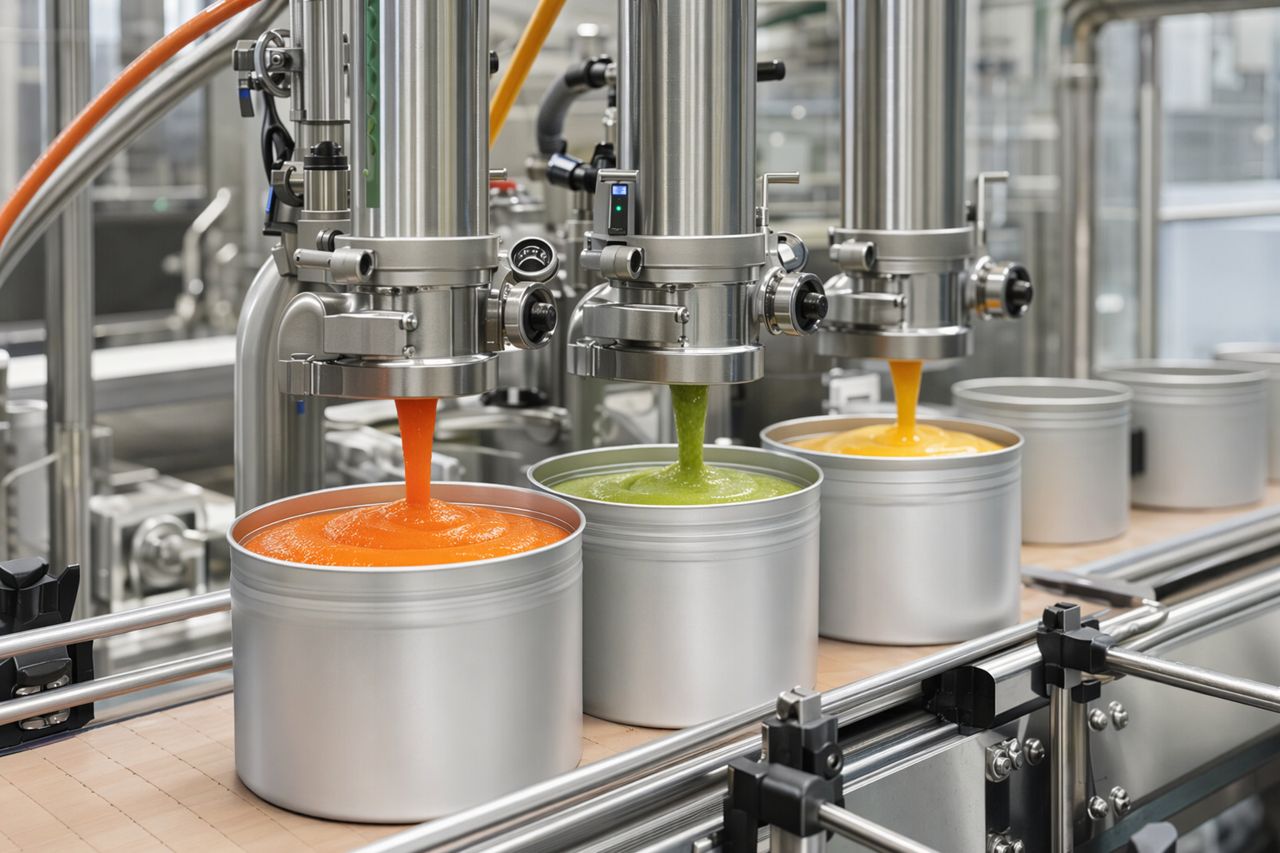
- Smooth spoonable products, pouches, jars, and aseptic bulk puree
What the Right Enzyme System Can Improve
A well-matched enzyme solution is not just a viscosity aid. It is a process control tool for throughput, texture, and repeatability.
Lower, More Predictable Viscosity
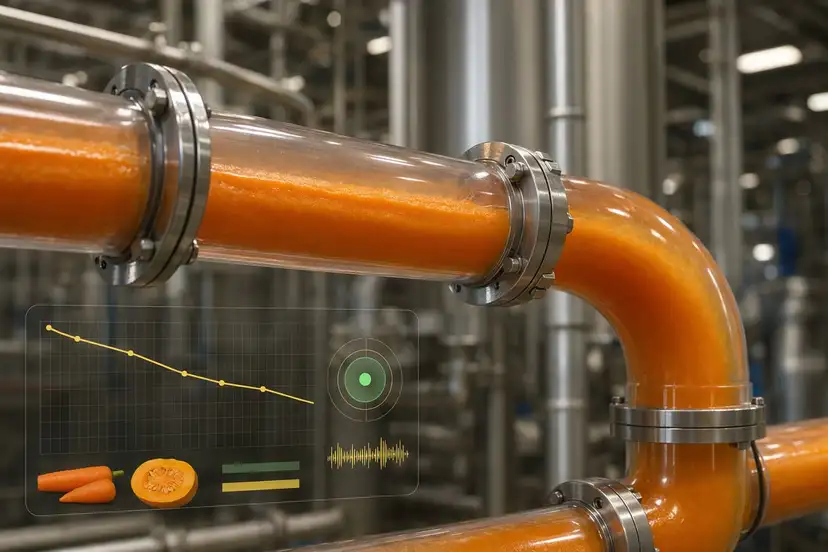
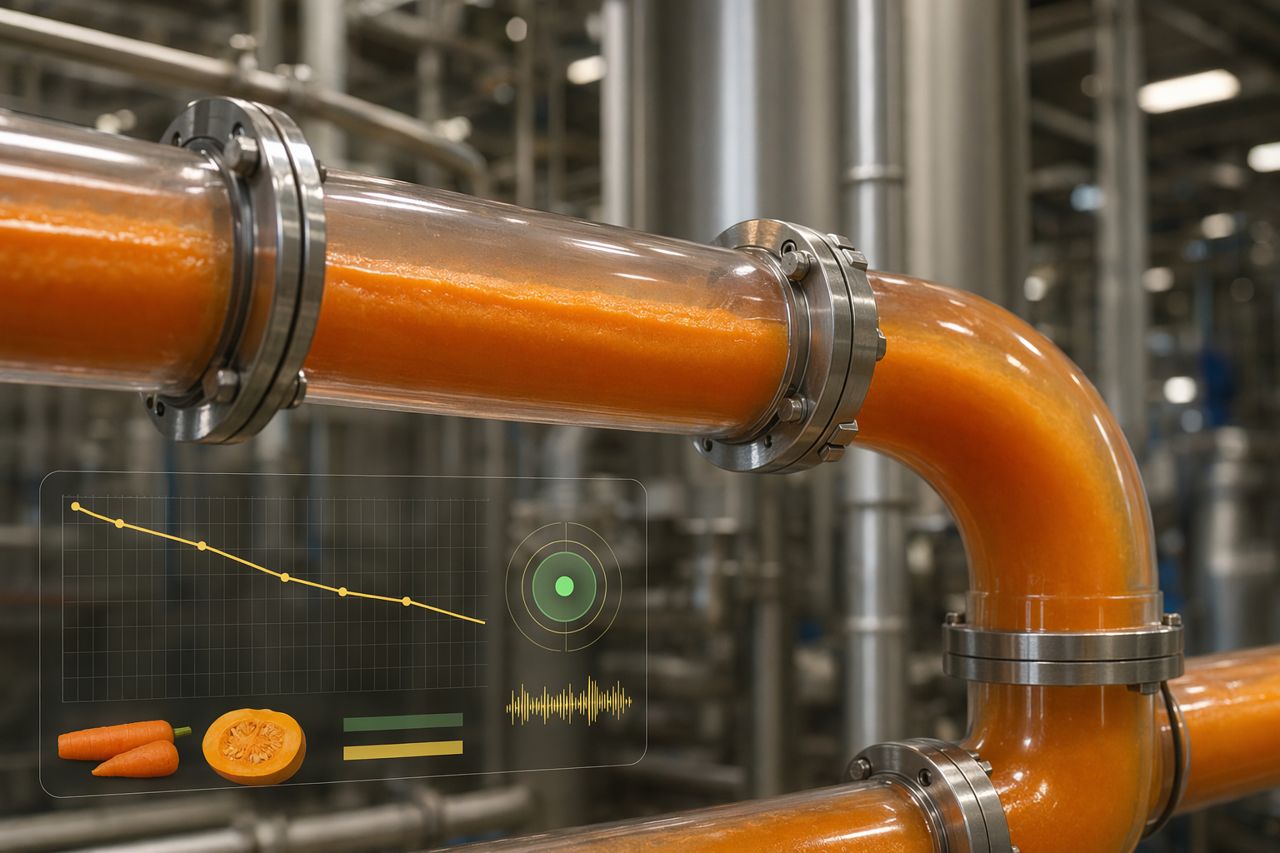
Targeted enzyme treatment can reduce excess thickness caused by plant cell wall materials and swollen starch fractions. This supports steadier pump behavior, smoother transfer, and more consistent filling.
Better Milling and Screening Behavior
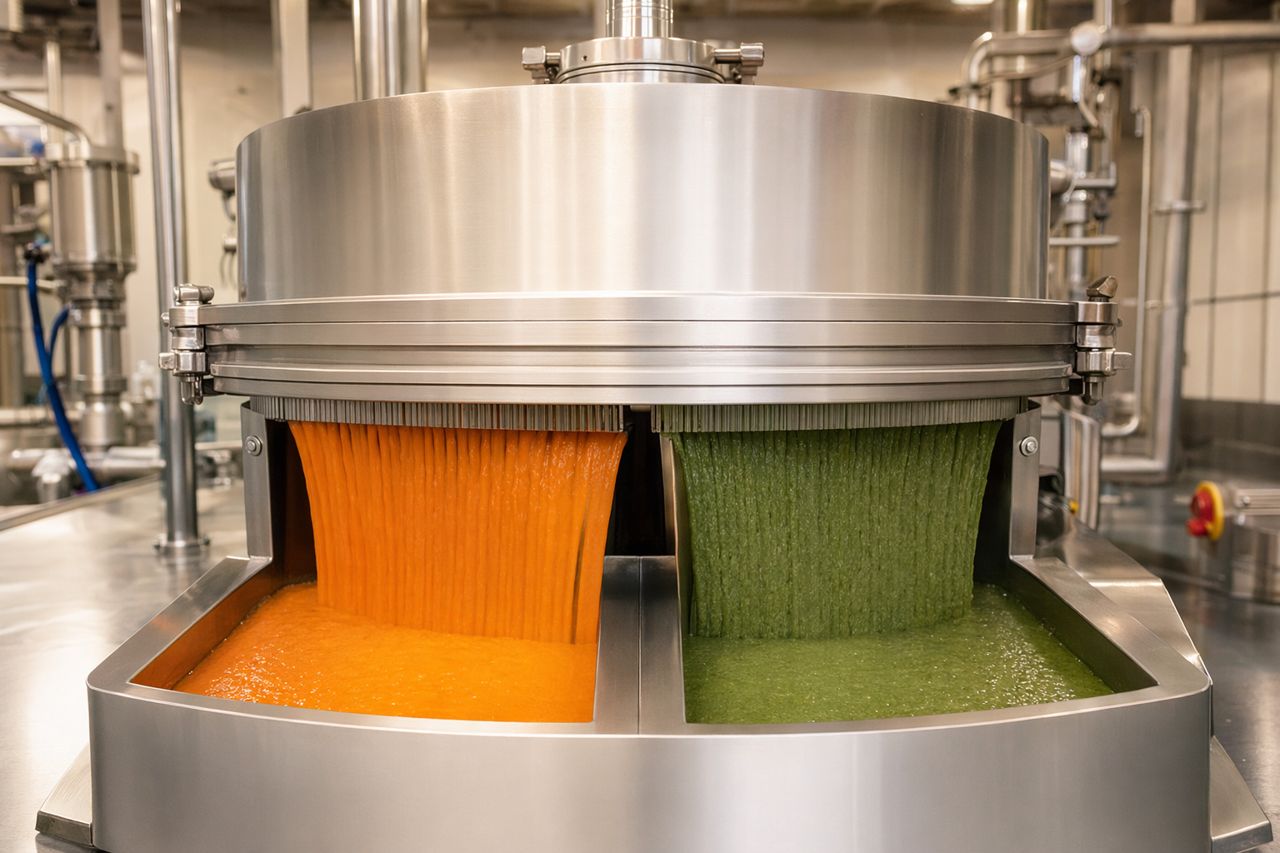
Vegetable particles can blind screens and increase backpressure. Enzyme-assisted breakdown of selected structural components can help puree pass through finishing screens more evenly, reducing interruptions and improving line rhythm.
Improved Pressing and Extraction Yield
For plants recovering vegetable solids and juice fractions before puree standardization, enzyme selection can help release trapped liquid and improve recovery from fibrous mash.
Smoother Texture Without Losing Body
Baby food and vegetable puree buyers expect a gentle, uniform mouthfeel. VelvetYield helps tune enzyme action so the puree becomes smoother and more manageable while keeping the intended spoonable body.
More Reliable Batch Performance
Raw vegetables change with season, maturity, storage, and cultivar. Enzyme support gives your team another lever for managing natural variation without relying only on mechanical shear or longer hold times.
Enzyme Selection by Process Challenge
For High-Fiber Carrot and Root Purees
Carrot, beet, parsnip, and sweet potato blends can carry a strong insoluble fiber load. Cell wall-targeted enzyme systems may help loosen the plant tissue structure, improve particle uniformity, and reduce excessive thickness during transfer.
For Pumpkin and Squash Purees
Pumpkin and squash purees can be dense, sticky, and variable. A balanced enzyme program can support easier finishing, more uniform texture, and better control before heat treatment or filling.
For Pea and Mixed Vegetable Purees
Pea puree can combine fiber with starch and protein interactions. VelvetYield helps evaluate whether the process needs cell wall modification, starch management, or a combined approach to reduce processing resistance without damaging finished texture.
For Fruit-Vegetable Baby Food Blends
When apple, pear, mango, or apricot is blended with carrot, pumpkin, or sweet potato, the enzyme plan must account for both fruit pectin and vegetable fiber. VelvetYield supports blend-specific selection so viscosity, texture, and filling behavior stay aligned.
Where VelvetYield Fits in Your Line
Every plant has its own sequence, but enzyme treatment is typically evaluated around the points where structure, temperature, and hold time can be controlled.
Common evaluation points include:
- After blanching or pre-cooking, when vegetable tissue is softened
- After coarse milling, when surface area is increased
- Before finishing or screening, when viscosity affects throughput
- Before standardization, when texture targets are set
- Before final thermal treatment, where the enzyme step can be ended by heat
VelvetYield helps define the practical window for your process instead of forcing a generic recommendation.
What We Need to Recommend the Right Enzyme
To prepare a fit-for-purpose quote and application recommendation, our technical team may ask for:
- Vegetable type and blend ratio
- Current process flow from raw prep to filling
- Main issue: viscosity, yield, screening, texture, or batch variation
- Thermal profile and available holding step
- Current puree solids range and target finished texture
- Screen size or finishing method, if relevant
- Packaging format: pouch, jar, cup, aseptic bag, or bulk
- Food safety and documentation requirements
This information helps us recommend an enzyme system that matches your real plant conditions.
Practical Proof Points for Process Managers
VelvetYield supports vegetable puree plants with application guidance that can be tested on the plant floor or in a small pilot batch. The goal is not maximum breakdown. The goal is controlled, repeatable improvement.
Typical validation targets include:
- Reduced transfer resistance
- Faster or steadier screening
- Less screen blinding
- More uniform puree texture
- More stable fill behavior
- Improved recovery from fibrous mash
- Lower rework caused by thick or inconsistent batches
- Better standardization across seasonal raw material variation
Food-Grade Supply and Technical Support
VelvetYield supplies enzyme solutions for industrial puree processing with documentation support for B2B manufacturing. We focus on clean integration, predictable handling, and production-ready recommendations for process managers, R&D teams, and procurement.
Our support can include:
- Enzyme selection by vegetable matrix
- Process fit review
- Pilot trial planning
- Finished texture target discussion
- Documentation package support
- Quote preparation for commercial supply
Request a Quote for Your Vegetable Puree Line
If carrot, pumpkin, pea, squash, or root vegetable puree is slowing your line or creating texture variation, VelvetYield can help you identify the right enzyme approach.
Request a quote using the on-site contact form and share your vegetable type, process challenge, and target product format. Our team will review your application and respond with a practical recommendation for your line.